top of page

Peter Lloyd Culley
Painting • Fine Art Photography
Adelaide South Australia
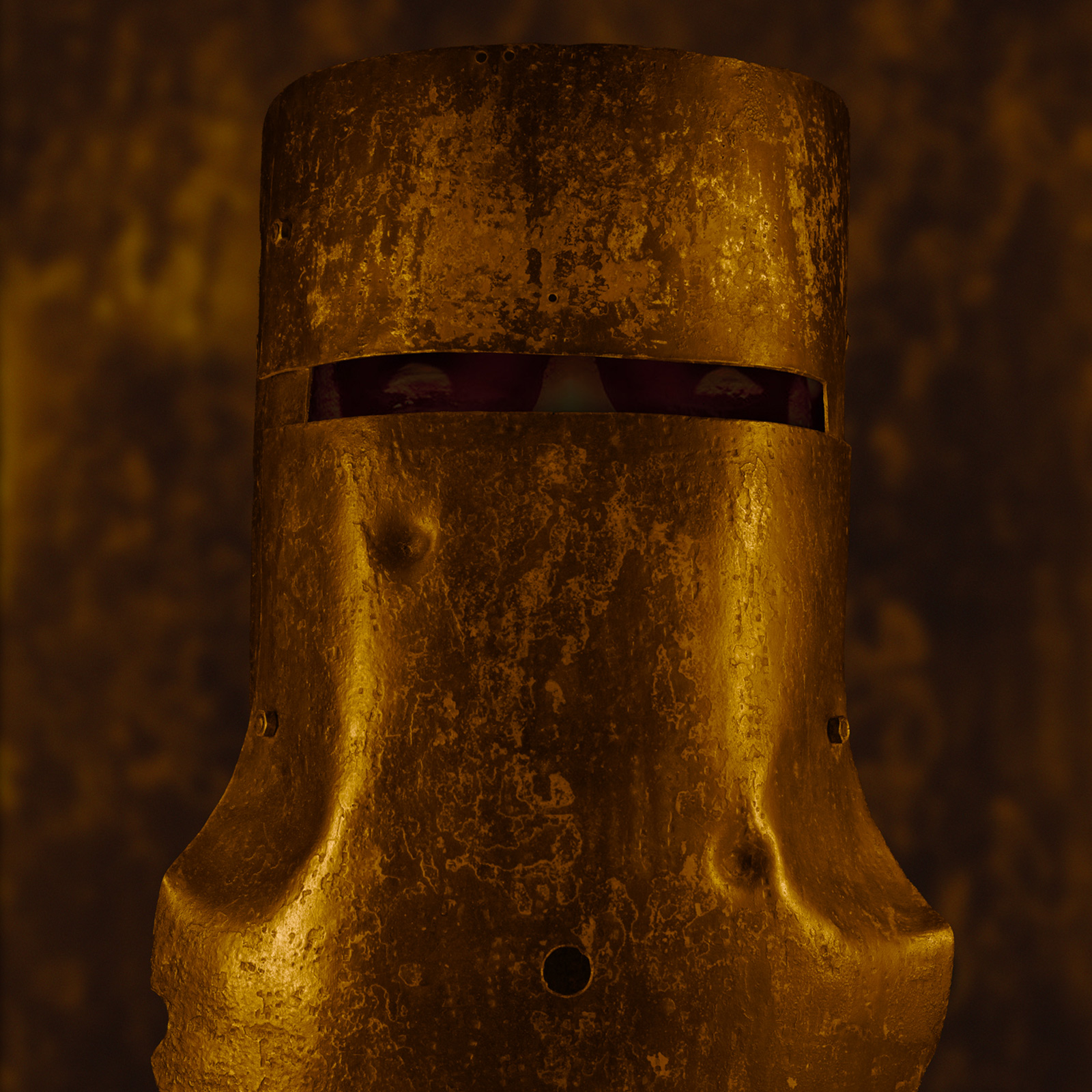
Ned Kelly | Hero or Villain?
• Peter Lloyd Culley
• Photograph on canvas floating frame
• 84x84cm image on 100x100cm background
• $1250
• Limited edition giclee archival prints TBA


Artists Statement
Engaging with the legacy of Ned Kelly has been for me an exercise in navigating a cultural labyrinth forged over generations. My approach to this piece is long-running, rooted in childhood stories and school holiday trips to Glenrowan, and later visits to the Melbourne Gaol. Fifteen years ago I purchased a replica helmet made by a blacksmith from the region, an acquisition that set me on a path toward this work. As I read more and observed his place in the Australian psyche, I became aware that even I was evolving in the way I felt about him as a person and his historical position.
The Evolution of an Icon and Artistic Vision
From early landmark Australian cinema to Sidney Nolan's iconic canvases, his ongoing presence cannot be denied. Nolan’s brilliant visual interpretations famously placed Kelly within stylised, otherworldly landscapes that bore little resemblance to geographical reality—yet perhaps that was precisely the point. By abstracting the bush, Nolan elevated Kelly from a Victorian bushranger into a universal archetype of alienation and myth. Was this surreal detachment truly the spirit of Ned, or was it the moment the outback outlaw truly pervaded the wider Australian identity as a blank canvas for our own anxieties and ideals?
After visiting the Melbourne Gaol and the spot where he was hanged, I really began to wax and wane on where he sat on the scales of hero or villain. Yes, it is commonly accepted that he and his family were harassed by the Victorian Police, as were many Irish settlers and other ethnicities, lest you be English and of good repute in the eyes of the law; it is a reality that cannot be avoided. At the same time, he was a robber and murderer, and his choices had tragic effects not just on the victims but on their families. I think this gets lost over generations, and to many, he and his cohorts became simply the outlaws in the iron suits and slotted helmets. His image became a cash cow for many and soon turned into an arguably jingoistic pastiche with little interest in actual circumstances or consequences. In light of this, my question is: what would he have made of it? I often wonder if he would have been at best bemused or fierce in taking umberage at his notoriety/celebrity only born of his death? In that he is certainly not alone.
Myth-Making: "Such is Life" and the Eureka Flag
This process of myth-making is further compounded by how many attach broader symbols to his memory. His final, apocryphal words—"Such is life"—have been elevated into a fatalistic shorthand for the Australian character, summing up a stoic defiance in the face of inevitable doom. Yet, historical precision often takes a backseat to romanticism.
Similarly, consider his frequently correlated association with the Eureka Stockade flag as an ultimate emblem of anti-authoritarian rebellion. Historically speaking, that link is remarkably tenuous. The 1854 Eureka rebellion was a specific miners' democratic protest against unjust licensing laws and taxation without representation on the Victorian goldfields, whereas Kelly's campaign a quarter-century later was a desperate, localised outlaw vendetta. This connection between Kelly and Eureka is not a historical truth, but rather a narrative that has been pulled and pushed through history. It has been stretched by successive generations until it became an accepted cultural truth, glossing over the glaring tensions and chronological disconnects between the two events to serve a generalised narrative of anti-establishment resistance.
The Relic, the Image, and the Human Condition
I dusted off the helmet from storage and looked at it differently, perhaps with a bit more thought than previously, treating it as a deified relic whose symbolism has taken often conflicted sentiments and turned them into vitriolic mantras of defiance against any authority.
Reflecting on this work, I am often brought back to my own life, and the quiet realisation that we are all born innocents. We are subsequently shaped by events beyond our control, yet forced to make choices that carry profound consequences—consequences that ultimately forge our life paths and ripple out to touch those around us.
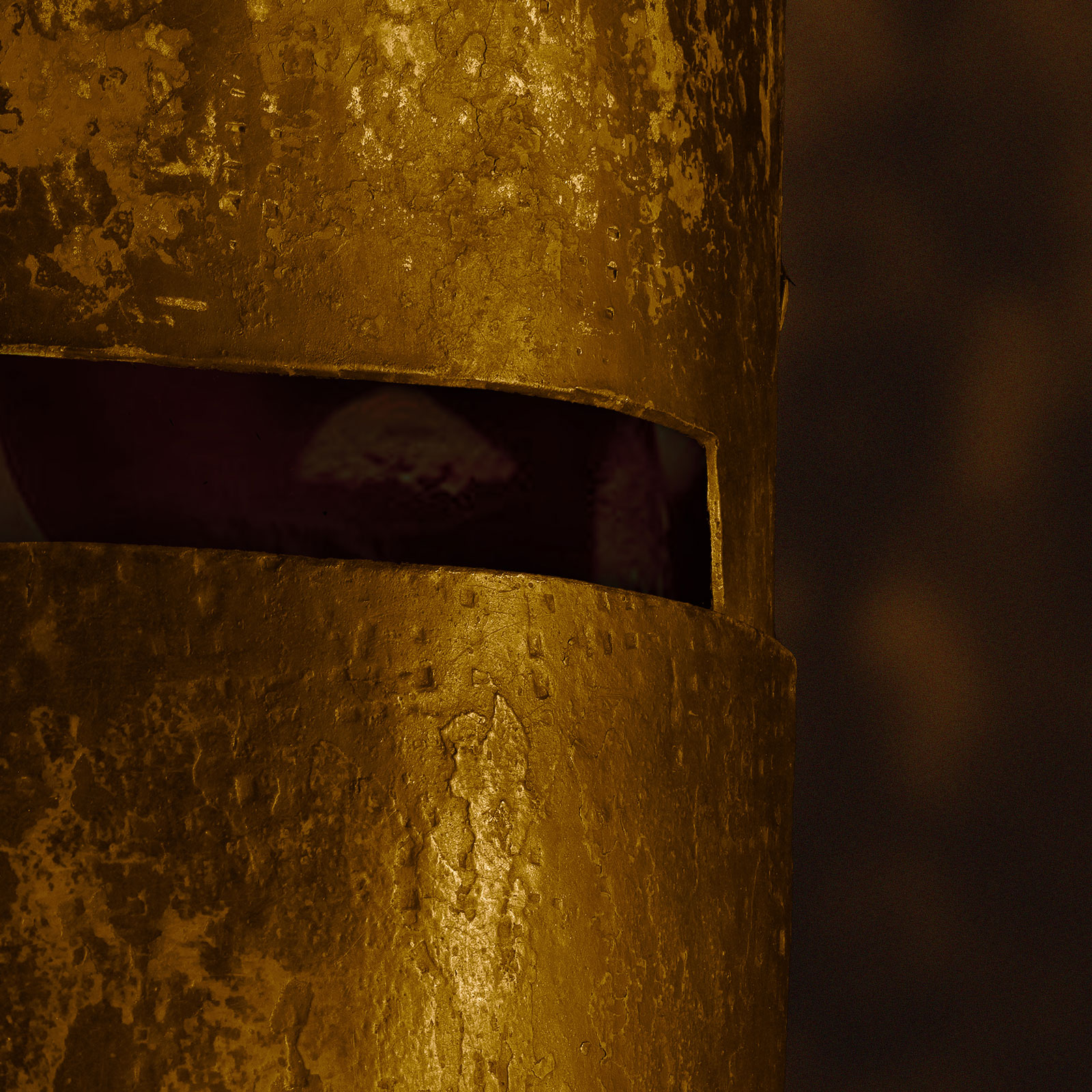
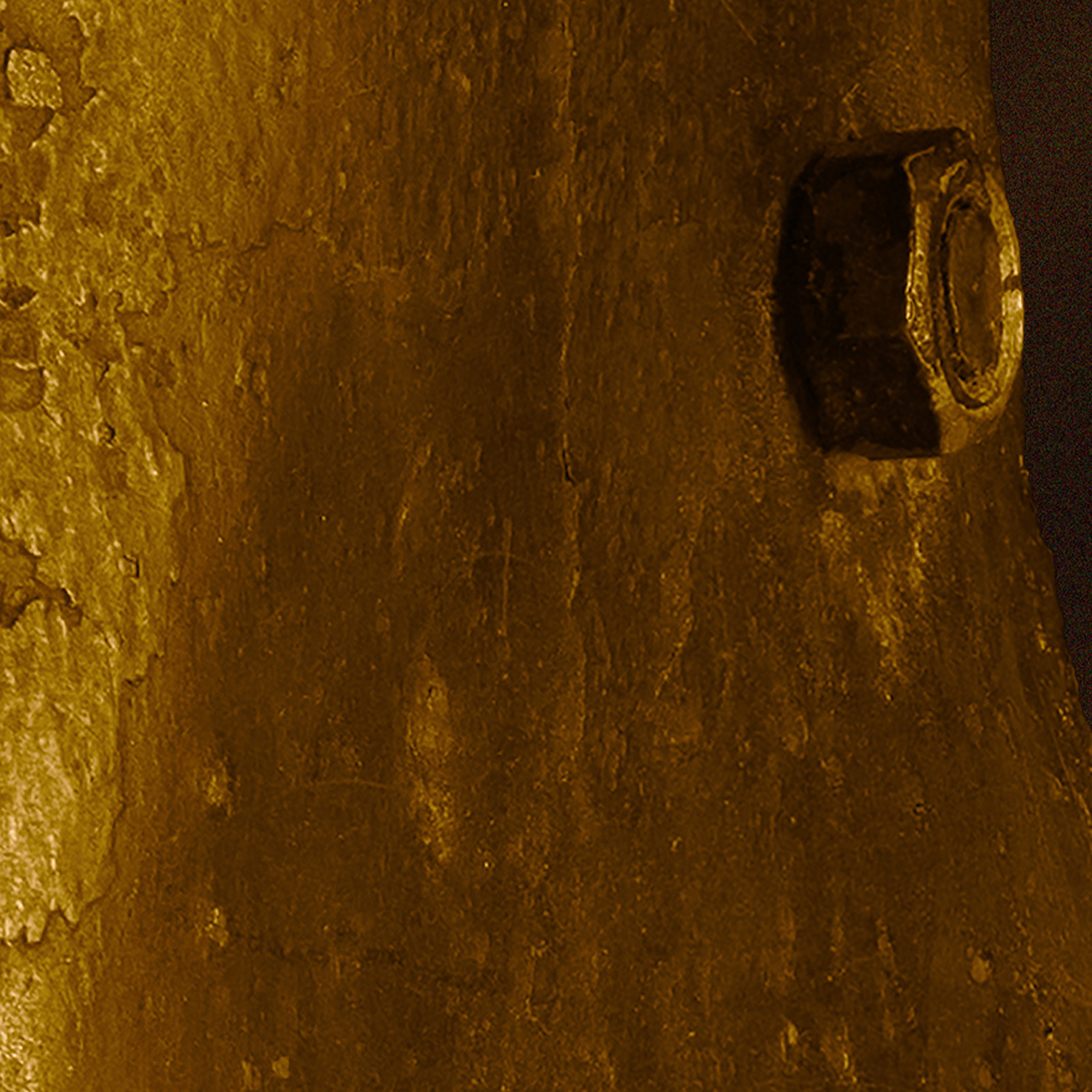
This photograph has been created through my gigapixel technique of macro-level detail to draw the viewer closer. I chose to include his death mask behind the eye slot as a reminder that there was a human behind that helmet, born an innocent as are we all. Yes the irony of myself selling this work of his image is not lost on me...
bottom of page